Home » WEATHER AND CLIMATE IN NYUNGWE NATIONAL PARK, RWANDA
WEATHER AND CLIMATE IN NYUNGWE NATIONAL PARK, RWANDA
The weather and climate in Nyungwe National Park, Rwanda, are among the first attributes to cross-check when planning a Rwanda safari to this hidden gem!
Tucked away in southwestern Rwanda, this ancient montane rainforest isn’t just beautiful; it is a must-visit for nature lovers planning a Rwanda safari.
Known for its lush montane rainforest, Nyungwe National Park offers a unique tropical highland climate shaped by its high altitude and proximity to the equator.
This article explores the weather and climate of Nyungwe Forest National Park, providing insights into its wet season, dry season, temperatures, and rainfall.
Whether you’re interested in bird watching, chimpanzee trekking, or canopy walks, understanding the national park weather will help you plan an unforgettable visit to Rwanda.
Overview of Nyungwe National Park
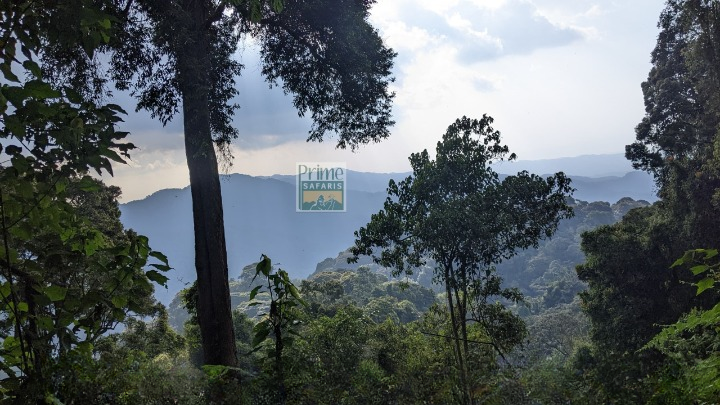
Nestled at elevations between 1,600 and 2,600 meters (5,250–8,530 feet) above sea level, Nyungwe National Park is one of Africa’s oldest rainforests worth exploring during safaris in Rwanda.
Its high altitude creates a consistently cool and humid environment, with the park receiving over 2,000 mm (79 inches) of rainfall per annum.
This national park receives such high precipitation due to its location just 2 degrees south of the equator, combined with its mountainous terrain.
The result is a biodiversity hotspot, home to over 300 bird species, 13 primates, including golden monkeys, and a variety of flora.
The climate supports year-round exploration, but the distinct wet and dry seasons influence the best times for hiking, canopy adventures, and wildlife viewing.
Nyungwe’s Seasons: When It Rains and When It Doesn’t
The climate of Nyungwe National Park features two wet seasons and two dry seasons, driven by Rwanda’s equatorial patterns.
Below is a detailed breakdown of the seasons in Nyungwe NP to help you plan your visit.
Wet Seasons
The long rains hit from March to mid-May. This is Nyungwe at its wettest — 150–300 mm of rain per month and wet trails 15–20 days out of the month.
Everything is impossibly green, orchids bloom, and the forest feels alive. The short rains come from October through November.
Expect afternoon showers, but also more birds and primates down low where the fruit is.
Trails get slippery, so proper waterproof boots aren’t optional. A rain jacket will be your best friend.
Dry Seasons
The long dry spell from June to September is prime time for hiking and the famous canopy walk. Rain drops to 50–100 mm per month.
Trails firm up, views open up, and you’ll deal with fewer bugs.
The short dry season from mid-December to mid-February is warmer and sunnier, though you’ll still get some rain — maybe 100–150 mm per month.
It’s pleasant, but it’s also when more tourists show up for the holidays.
What Nyungwe Feels Like Year-Round- Rainfall and temperatures
Sitting between 1,600 and 2,600 meters above sea level, Nyungwe stays cool all year. Don’t expect tropical heat here.
Days usually sit around 20°C (68°F) and rarely push past 25°C (77°F).
Nights can dip to 10°C (50°F), especially higher up, so yes — you’ll actually want that fleece.
Because it’s only 2 degrees south of the equator and covered in thick forest, the park gets soaked.
We’re talking over 2,000 mm of rain a year. That rain is why Nyungwe is a biodiversity powerhouse with over 300+ bird species, 13 kinds of primates, including chimpanzees and golden monkeys, and plants you won’t see anywhere else.
You can visit any month, but the rain and dry spells will change your trip.
Why Is Nyungwe So Wet and Cool?
Three things: altitude, equator, and mountains. The elevation keeps temperatures mild. Being near the equator means no real winter, just rain patterns.
And the rugged terrain, plus Lake Kivu nearby, traps moisture.
The forest itself acts like a giant sponge, holding humidity and feeding those constant mists.
That’s what makes Nyungwe feel so different from Rwanda’s savanna parks.
What to Pack for Nyungwe’s Climate?
Nyungwe will surprise you if you pack like you’re going to the beach. Always bring:
- A real rain jacket, not a windbreaker
- Waterproof hiking boots with grip — trails get slick
- Warm layers for evenings and early treks: fleece, thermals
- Light gloves for holding onto wet branches during chimp trekking
- Insect repellent, a hat, and a small backpack
Even in the dry season, a shower can roll in without warning.
Best Time to Visit Nyungwe National Park
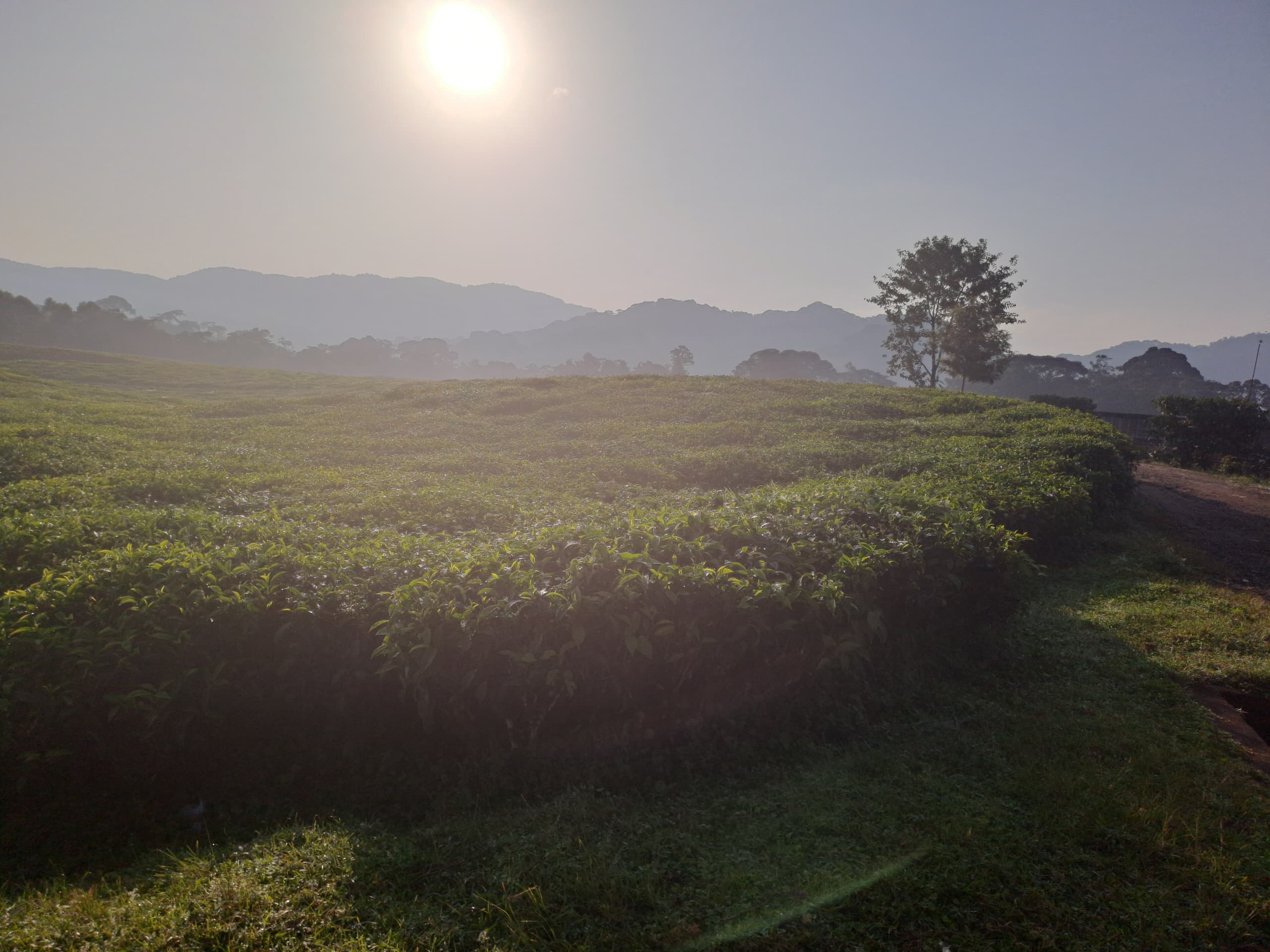
For hiking and the canopy walk: June to September. Driest trails, best light, fewer mosquitoes.
For birding and lush photos: October–November. Migrant birds arrive, flowers explode, and the forest is dramatic.
For pleasant weather with some crowds: December to February. Warm days, decent trail conditions, but book early.
For hardcore primate fans on a budget: March to May. It’s muddy, but chimps and golden monkeys are easier to spot because food is everywhere. Just embrace the rain.
Additional Information on Nyungwe National Park
Nyungwe National Park is a haven for nature lovers, offering a variety of activities and attractions that make it a standout Rwanda safari destination. Below are key highlights to enhance your travel experience.
Attractions in Nyungwe National Park
Dry season perks: Clear views from the Igishigishigi canopy walkway, active chimps, and great blue turacos showing off.
Wet season perks: Orchids, butterflies, migrant birds, and a forest that looks like it’s breathing. Photography is stunning when the mist rolls through.
Activities in Nyungwe National Park
Things to Do in the Dry Season: The dry season is perfect for Rwanda chimpanzee trekking, hiking, and canopy walks. Trails like the Igishigishigi Trail offer stunning views and easier navigation. Bird watching is also excellent, with over 300 bird species to spot.
Things to Do in the Wet Season: During the wet season, chimpanzee trekking remains popular as primates are more visible. Guided nature walks showcase blooming flora, and the canopy walkway offers a unique perspective of the misty forest.
Nyungwe National Park Accommodation
You’ve got options. One & Only Nyungwe House if you want luxury and forest views from your tub. Nyungwe Top View Hill Hotel sits in a good mid-range spot. Gisakura Guest House is solid if you’re on a budget. Most places lend out gumboots and rain gear, which helps.
Costs of Visiting Nyungwe National Park
Park entry is around $100 per person. Chimp trekking permits run $150–$200. The canopy walk is about $60. Lodging swings from $30 a night to $500+. A good Rwanda safari operator can bundle things and save you headaches.
Guidelines to Follow When Visiting Nyungwe National Park
When visiting Nyungwe National Park, follow park rules to protect its ecosystem.
- Stick to marked trails, don’t feed wildlife, and pack out what you pack in
- You need permits for chimp trekking and the canopy walk — sort those before you arrive
- Respect local guides and wear appropriate waterproof clothing to handle the weather.
How to Get to Nyungwe Forest National Park?
From Kigali, it’s a 4–5 hour drive through Huye. The road is paved and the scenery is worth it. You can also fly to Kamembe Airport, then drive 1.5 hours. Public buses run, but a private transfer or tour is easier if you’re on a schedule.
Other Rwanda Safari Parks to Combine with Nyungwe
Make it a circuit. Head 5–6 hours north to Volcanoes National Park for gorilla trekking. Or go east 7–8 hours to Akagera National Park for classic savanna game drives — lions, elephants, the works. They all hit differently depending on the season, so plan accordingly.
These Rwanda wildlife safari parks favour different seasons, so plan your itinerary accordingly.
Nyungwe isn’t a “check the forecast and go” kind of place. It’s wet, cool, and wild year-round.
- If you want dry boots and big views, aim for June–September.
- If you want the forest at its most alive, brave the rain.
Either way, pack smart, respect the trails, and you’ll leave with stories.
This isn’t just another stop on a Rwanda safari — it’s the part you’ll still be thinking about months later.
What you may like
-
GEOGRAPHY OF NYUNGWE NATIONAL PARK, RWANDA
Read more -
What To Wear In Nyungwe National Park On Safari
Read more -
What To Carry To Nyungwe Forest National Park/Packing List
Read more -
Nyungwe National Park Rules And Regulations
Read more -
Best time to Visit Nyungwe Forest in Rwanda
Read more -
HISTORY OF NYUNGWE FOREST NATIONAL PARK
Read more
Want to visit Nyungwe Forest?
Want to visit Nyungwe Forest National Park, Rwanda's only chimpanzee trekking park for primate safari experiences?
