Home » HOW TO GET TO NYUNGWE NATIONAL PARK RWANDA? | GETTING TO NYUNGWE FOREST NATIONAL PARK
HOW TO GET TO NYUNGWE NATIONAL PARK RWANDA? | GETTING TO NYUNGWE FOREST NATIONAL PARK
Planning a Rwanda trip to Nyungwe but not sure how to actually get there? You’re not alone. Here’s the straightforward version of how to get to Nyungwe National Park, Rwanda, about 220 km from Kigali.
Nyungwe sits in southwest Rwanda, and it’s worth the trip by nature lovers looking forward to partaking in chimp trekking, the canopy walk, and exploring a forest that feels older than time.
Whether you fly or drive, here’s how to do it without the stress, plus costs and tips that actually help.
About Nyungwe Forest National Park
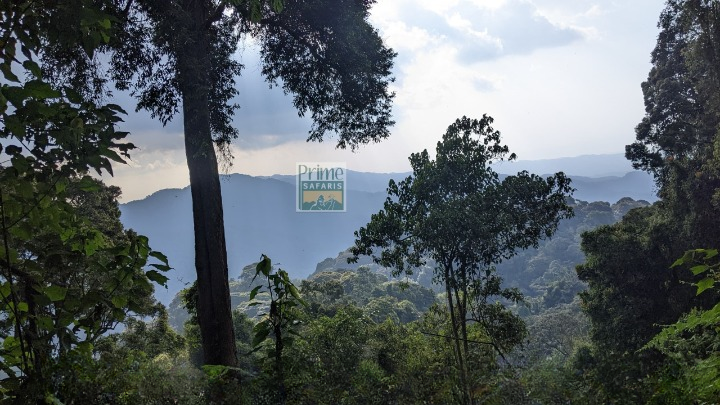
Nyungwe Forest National Park covers 1,019 km² of montane rainforest in southwestern Rwanda.
It’s one of Africa’s oldest forests — protected as a reserve since 1903, made a national park in 2004.
You’ll find it near Cyangugu town, close to Lake Kivu, right on the borders with DR Congo and Burundi.
The flora and fauna numbers of Nyungwe NP are big: over 1,068 plant species, 85 mammals, 322 bird species, including 29 Albertine Rift endemics.
But what people come for are the 13 primate species — chimps and those huge black-and-white colobus troops you see on nature documentaries.
The park’s bamboo, swamps, and cloud forest also feed both the Nile and Congo rivers.
About 70% of Rwanda’s freshwater starts here. Between the canopy walkway, 130 km of hiking trails, and conservation work by African Parks, Nyungwe’s become a top safari stop.
Here’s exactly how to get there without headaches.
Getting to Nyungwe National Park by Air
Flying is the fastest way in, and the views are unreal. From Kigali International Airport, you’ve got two options: scheduled flights or helicopters.
Air Transport Options
Helicopter: Akagera Aviation runs charters from Kigali straight to Nyungwe. You’ll land at One&Only Nyungwe House or near Kamembe Airstrip. It’s about 45 minutes, and you’ll fly over Lake Kivu and Rwanda’s endless green hills. Pricey, but it doesn’t get more direct.
Domestic flight: RwandAir flies daily from Kigali to Kamembe International Airport. It’s a 40–45 minute flight. Kamembe is 40 km from the park — about an hour’s drive to the gate after you land.
Airlines and Airstrips
RwandAir handles the Kigali–Kamembe route. Kamembe Airport is small but fine, right near Rusizi/Cyangugu.
Akagera Aviation does custom helicopter trips. Great if you’re a group or want to land right at your lodge in Nyungwe.
Flight Costs
RwandAir: $100–$150 round-trip per person, depending on season and how early you book.
Helicopter: $500–$1,000 per person. Depends on group size and where you land. Talk to a tour operator to set this up.
Air Travel Tips
- Book early. RwandAir’s one daily flight to Kamembe gets full, especially June–September.
- Sort your pickup from Kamembe ahead of time — $50–$80 one-way for a taxi or lodge transfer.
- Helicopters have weight limits, so pack light.
- Confirm with your lodge where you can land and how they’ll get you from there.
- Rain season — March–May and Oct–Nov — can mess with schedules. Check the forecast.
Getting to Nyungwe Forest National Park by Road
Driving takes longer, 5–6 hours from Kigali, but it’s a beautiful ride. 220 km of tarred road through tea plantations, hills, and small towns. You can break up the trip with stops.
Popular Routes to Nyungwe National Park
Take the RN1 highway south from Kigali. You’ll pass through Ruhango, Huye/Butare, and Nyamagabe before hitting Rusizi/Cyangugu.
From Cyangugu, it’s another 40–55 km — about an hour — to the Gisakura or Uwinka park entrances.
You can also come via Lake Kivu on the RN2 or from Huye, but RN1 is the most direct, and the roads are in good shape.
Road Travel and Transportation Options
- Private car with driver: $150–$300 one-way through a tour operator. Comfortable, and you can stop at Nyanza King’s Palace or the Ethnographic Museum in Huye. A 4×4 handles the hills best.
- Self-drive: Rent a 4×4 in Kigali for $80–$120/day plus fuel. Roads are good but twisty. Google Maps works. Drive carefully, especially if it’s wet.
- Public transport: Budget option. Bus from Nyabugogo station in Kigali to Huye — 2–3 hours, $5–$7. Then minibus to Gisakura — 2 hours, $3–$5. From Gisakura, grab a moto-taxi to the park gate — $5–$10, 30–60 min. The total time is 7–9 hours because buses stop a lot.
Costs Incurred on Road Travel to Nyungwe Forest National Park
- Private car: $150–$300 one-way with driver and fuel.
- Self-drive: $80–$120/day for the car, plus $30–$50 for fuel.
- Bus and moto taxi: $8–$12 for buses, $5–$10 for the moto. About $13–$22 total one-way.
Road Travel Tips
- Use reputable tour operators for cars or drivers — it’s worth it.
- Fill up in Kigali. Gas stations are rare near Nyungwe.
- Hills are steep, especially in rainy season — March–May, Oct–Nov. Take it slow.
- Stop in Nyanza or Huye if you can. The King’s Palace and local crafts are worth it.
- Carry cash — Rwandan Francs or USD. ATMs thin out on the way.
Getting to Nyungwe Forest National Park from Other Rwanda Locations
Nyungwe National Park is accessible from various Rwanda locations, making it easy to combine with other safari destinations in the country:
- From Huye/Butare: ∼100 km, 2–3 hours. Bus is $3–$5, private car is $80–$120.
- From Lake Kivu (Rubavu/Gisenyi): ∼150–200 km, 4–5 hours by road. You can also take a boat to Karongi, then drive — adds time, about 6–8 hours total, but it’s scenic.
- From Rusizi/Cyangugu: Only 40–55 km, 1 hour by taxi or moto for $10–$20. This is the closest town.
- From Volcanoes National Park (Musanze): ∼300 km, 7–8 hours via Kigali. Many people combine gorilla trekking in Volcanoes with chimps in Nyungwe.
Getting Around Nyungwe National Park
Once in Nyungwe Forest National Park, getting around is straightforward but requires planning.
Most activities — chimp trekking, canopy walk — start at Uwinka Center or Gisakura.
Park rangers lead all treks and hikes. That’s mandatory, and it costs $40–$100 per activity.
Lodges like One&Only Nyungwe House run shuttles to trailheads.
If you want flexibility, hire a private car or driver for $50–$100/day to get between trails or into Cyangugu town.
Walking in the park is only on guided trails. The forest is dense, and there’s wildlife, so self-guided isn’t an option.
Nyungwe National Park Access Points | Entrance Gates
Nyungwe National Park has three main access points:
- Gisakura Entrance: North side. Closest to chimp trekking and budget spots like Gisakura Guesthouse.
- Uwinka Center: The main hub. Park HQ, canopy walkway, and most hiking trails start here.
- Gisovu Entrance: West side, quieter. Good for Bigugu trail and other western hikes.
Park fee is $40/day for non-residents. Pay online via RDB or at the gate.
Additional Practical Information About Nyungwe National Park in Rwanda
Popular Nyungwe National Park Tourist Attractions
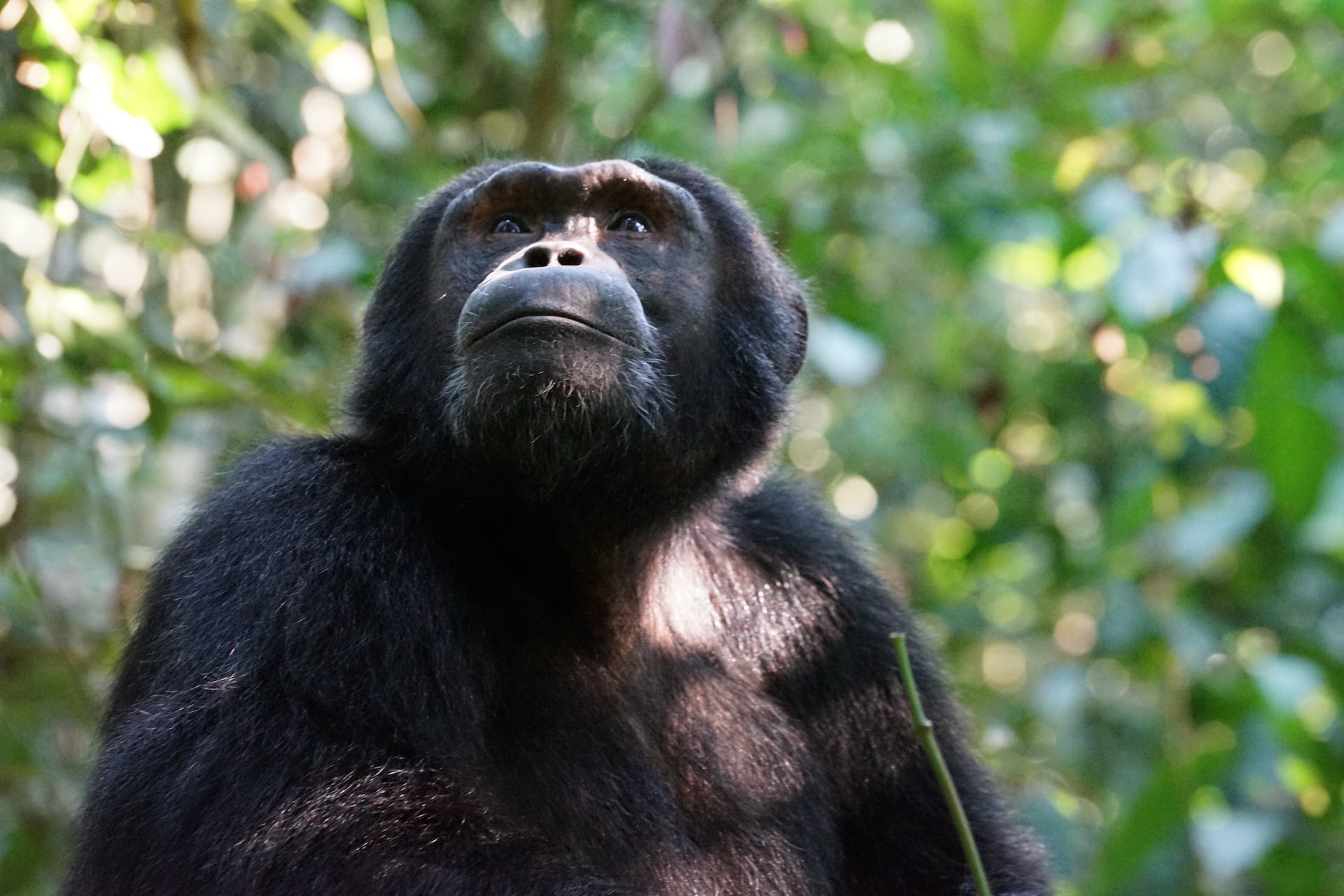
Nyungwe’s attractions include:
- Chimpanzees: There are 500+ chimps here. You’ll track either the Uwinka or Cyamudongo groups. It’s 2–6 hours on foot, permits are $100, and it’s worth every sweaty step.
- Other Primates: Not just chimps. Look for black-and-white colobus monkeys — sometimes in troops of 200 — plus L’Hoest’s monkeys, grey-cheeked mangabeys, red-tailed monkeys, owl-faced monkeys, and olive baboons.
- Canopy Walkway: East Africa’s first. 160 meters long, 70 meters up. You’re literally walking above the forest. $40 per person.
- Hiking Trails: Over 130 km of them. Igishigishigi is easy, 1.5 hours. Bigugu is a 6-hour leg-burner to the park’s highest point.
- Birds: 322 species. If you’re into birds, you’ll want the Rwenzori turaco and Albertine owlet on your list. Birding tours run about $50.
- Cultural Stops: On the way in, you can hit Nyanza King’s Palace or the Ethnographic Museum in Huye. Good way to understand Rwanda beyond the forest.
- Mount Bigugu: The 13.2-km Bigugu Trail takes you to Nyungwe’s highest peak at 2,950 m. Views stretch over the hills to Lake Kivu. $50–60.
- Isumo Waterfall: Take the Kamiranzovu Trail — 6 km, 3–4 hours — to a quiet waterfall in the forest. $50.
- Congo-Nile Divide Trail: 42 km, multi-day hike or bike along the watershed that splits the Nile and Congo basins. $60–100. It’s how you really see how big Nyungwe is.
- Cultural Villages: Visit Kitabi or Banda to meet locals, watch performances, try food, see crafts. $10–20. It’s not staged — people actually live there.
Fun Safari Activities Done in Nyungwe National Park
- Chimpanzee Trekking: You’re up at 4:30 AM, hiking with rangers to find chimps. You’ll watch them groom, play, argue — just being chimps. $100 permit, age 15+.
- Canopy Walk: 2-hour guided walk on the Igishigishigi trail. Besides the height, you’ll spot monkeys and birds from a view you don’t get on the ground. $40, age 6+.
- Hiking: Pick your level. Umuyove is 2–3 hours and gentle. Congo-Nile Divide is 3–4 days. $50–60.
- Birdwatching: Go early morning or late afternoon for the 29 Albertine Rift endemics. $50.
- Colobus Monkey Tracking: Follow huge troops of black-and-white colobus. Less intense than chimps, just as cool. $60.
Guidelines to Abide by When Visiting Nyungwe National Park
- Book your permits early through RDB or a tour operator. They sell out.
- Listen to your ranger. They keep you safe and keep the animals safe.
- Wear long sleeves, pants, and real hiking boots. Thorns, bugs, and mud are real.
- Don’t litter.
- Stay 7 meters from primates. They can catch our diseases.
- No flash, no shouting. You’re a guest.
Costs Incurred When Visiting Nyungwe National Park
- Park entry: $40/day for foreign non-residents.
- Chimp trekking: $100 permit.
- Canopy walk: $40 per person.
- Hiking/birdwatching: $50–60 per activity.
- Sleeping: Budget at Gisakura Guesthouse is $30–50/night. One&Only Nyungwe House is $500+/night.
- Getting there: $13–22 by public transport, $80–300 for a private car from Kigali, one-way.
Best Time to Visit Nyungwe National Park
Dry season — June to September, December to February — is easiest. Less mud, warmer days, better for chimps and hiking.
Rainy season — March to May, October to November — is wet but gorgeous. Forest is lush, and migrant birds show up, so birders love it. Just bring good rain gear.
For peak times, book 3–6 months ahead. Permits go fast, and you don’t want to miss out.
Top-Rated Safari Lodges and Hotels to Stay at When Exploring Nyungwe National Park
- One&Only Nyungwe House: Top-end luxury on a tea plantation. Has a pool, guided treks. $500+/night.
- Nyungwe Top View Hill Hotel: Mid-range, great views. $100–200/night.
- Nyungwe Nziza Ecolodge: Eco-friendly, close to the park gate. $50–100/night.
- Gisakura Guesthouse: Budget, solid, 2 km from Gisakura entrance. $30–50/night.
- Kitabi Eco-Center: Rustic, eco-focused. $40–80/night.
Safari Packing List for Rwanda’s Nyungwe National Park Tours
Nyungwe sits at 1,600–2,950 m, so it gets cold, especially in the mornings. Pack layers. You’ll need:
- Clothes: Long sleeves and pants, rain jacket, hat, gloves. It’s chilly and wet.
- Footwear: Proper hiking boots. Trails are slippery.
- Gear: Binoculars, backpack, sunglasses, insect repellent.
- Essentials: Yellow fever certificate, malaria meds, cash — RWF or USD — and a water bottle.
- Optional but smart: Camera with no flash, lightweight poncho for surprise rain.
Threats Faced by Nyungwe National Park
People have lived around Nyungwe for 50,000 years, but the last century was rough.
Deforestation, poaching, and climate change hit the forest hard. Illegal logging and farms used to eat into the edges.
Invasive species and fragmented habitat are still problems.
That’s why protecting the 500+ chimps and 350+ colobus monkeys here matters.
African Parks took over management and now it’s a safe, well-run place. But it still needs watching.
Sustainability and Conservation Efforts in Nyungwe National Park
Since 2020, African Parks has run Nyungwe. They do reforestation, anti-poaching patrols, and work with local communities.
Tourism actually helps — it funds protection and supports people nearby. Nyungwe also provides 70% of Rwanda’s freshwater.
You can help: pick tour operators who care about sustainability, skip single-use plastics, and buy local crafts.
Other Rwanda Safari Parks to Combine with Nyungwe National Park Trips
Nyungwe pairs well with:
- Volcanoes National Park: ∼300 km north, 7–8 hours. This is where you do gorilla trekking. $1,500 permit.
- Akagera National Park: ∼330 km east, 6–7 hours. Classic savanna safari — elephants, lions, the Big Five.
- Gishwati-Mukura National Park: ∼200 km, 5–6 hours. Smaller forest, good for primates and birds if you want something quieter.
Getting to Nyungwe is part of the adventure.
Fly RwandAir to Kamembe and drive an hour, charter a helicopter with Akagera Aviation, or road-trip from Kigali through Huye and stop at the cultural sites.
Once you’re there: track chimps, walk the canopy, hike to waterfalls, and listen to a forest that’s been here longer than any country.
Plan with a solid tour operator, pack right, and if you’ve got time, add Volcanoes for gorillas.
This is the kind of trip you’ll talk about for years. Want help putting an itinerary together? Just say the word.
What you may like
-
GEOGRAPHY OF NYUNGWE NATIONAL PARK, RWANDA
Read more -
What To Wear In Nyungwe National Park On Safari
Read more -
What To Carry To Nyungwe Forest National Park/Packing List
Read more -
Nyungwe National Park Rules And Regulations
Read more -
Best time to Visit Nyungwe Forest in Rwanda
Read more -
WEATHER AND CLIMATE IN NYUNGWE NATIONAL PARK, RWANDA
Read more
Want to visit Nyungwe Forest?
Want to visit Nyungwe Forest National Park, Rwanda's only chimpanzee trekking park for primate safari experiences?
