Home » MONKEY TRACKING IN NYUNGWE FOREST NATIONAL PARK
MONKEY TRACKING IN NYUNGWE FOREST NATIONAL PARK
Are you visiting Rwanda and curious about monkey tracking in Nyungwe Forest National Park? Let us introduce you to this fascinating activity done during Rwanda safaris!
Nyungwe Forest National Park in Rwanda is a paradise for nature lovers, offering an unforgettable adventure into the heart of one of Africa’s oldest rainforests.
Among its many safari activities, monkey tracking stands out as a thrilling way to connect with the park’s attractions- the vibrant primate population during Rwanda wildlife tours.
With over 13 primate species almost competing with the Kibale National Park Uganda primate population, including the playful black and white colobus monkeys, Angolan colobus monkeys, golden monkeys, and L’Hoest’s monkeys, etc, Nyungwe provides a unique opportunity to observe these fascinating creatures in their natural habitat during Rwanda Monkey trekking tours.
This article explores everything you need to know about monkey tracking in Nyungwe, from the experience itself to practical tips for planning your Rwanda safari.
About Nyungwe Forest National Park
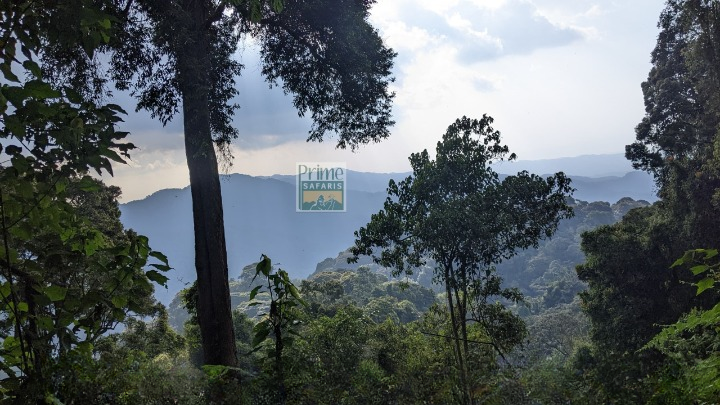
Nestled in Rwanda’s southwest, Nyungwe Forest National Park is a biodiversity hotspot within the Albertine Rift, covering over 1,000 square kilometers of montane rainforest, bamboo thickets, and sub-alpine vegetation zones.
Established as a national park in 2005, it is one of Africa’s most pristine and ancient forests, sitting at elevations between 1,600 and 2,950 meters above sea level.
The park is home to a staggering array of wildlife, including 13 primate species, over 300 bird species (30+ Albertine Rift Endemics), and countless plant species, such as orchids and mahogany trees, making it a perfect stop during safaris in Rwanda.
Its rolling hills, dense forest, and scenic trails make it a haven for adventurers and wildlife enthusiasts.
Additionally, Nyungwe’s location near the Congo-Nile Divide adds to its allure, with rivers and swamps contributing to its rich ecosystem.
The park is renowned for its conservation efforts, managed by the Rwanda Development Board (RDB), and serves as a vital sanctuary for endangered species.
Whether you’re hiking through its trails or crossing the famous canopy walkway, Nyungwe offers a peaceful yet exhilarating escape into nature.
The Monkey Tracking Experience
Monkey tracking in Nyungwe Forest National Park is a bucket-list adventure that brings you face-to-face with some of the world’s most captivating primates while on a safari in Rwanda.
Guided by knowledgeable park rangers, small groups of up to eight visitors or more, if need be, venture into the forest to observe monkeys in their natural habitat.
The experience typically starts or begins early in the morning at one of the park’s three reception centers, such as Uwinka reception center or Gisakura, where you’ll receive a briefing on safety and guidelines to follow accordingly.
The trek involves walking through the forest on trails like the Igishigishigi trail, Ngabwe trail, or Bigugu trail, which vary in difficulty and offer stunning views of the park’s lush landscape.
As you navigate the terrain, your guide will share insights about the monkeys’ behaviors, diets, and social structures.
The highlight is spotting troops of monkeys, such as the acrobatic black and white colobus or the vibrant golden monkeys, leaping through the trees or grooming one another.
The activity requires moderate physical fitness due to the park’s hilly and sometimes slippery terrain, but the reward of witnessing these primates in action is well worth the effort.
Tracking sessions typically last two to three hours, though some may extend depending on the monkeys’ location while they keep learning about the monkey behaviours en route.
The habituated black and white colobus monkeys, in particular, are a favorite, with troops of up to 50 individuals near the Gisakura tea plantation providing spectacular displays of agility to tourists on Rwanda safaris.
Whether you’re using binoculars to spot a vervet monkey or capturing photos of a L’Hoest’s monkey, the experience is both immersive and educational.
Things to See During Monkey Trekking in Nyungwe Forest National Park
Monkey trekking in Nyungwe offers more than just primate sightings. Here are some highlights:
Monkey Types in Nyungwe Forest
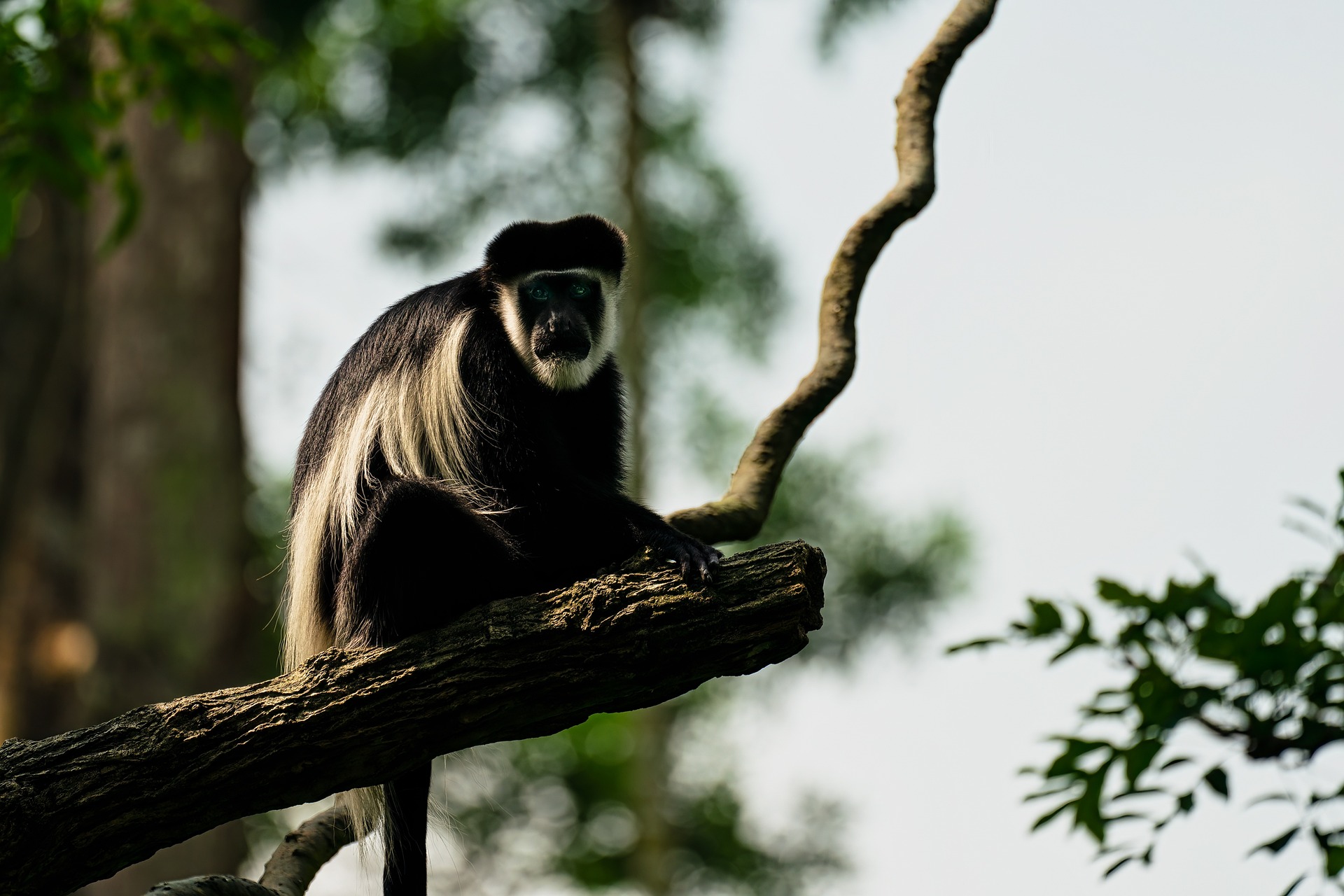
Nyungwe is home to 13 primate species, making it one of East Africa’s premier destinations for primate enthusiasts. Key monkey species include:
- Black and White Colobus Monkeys (Rwenzori colobus): Known for their striking fur and acrobatic leaps, these social primates form large troops, sometimes numbering in the hundreds, which means there are guaranteed sightings of these monkeys. Their playful interactions are a highlight of any monkey trek in Rwanda’s Nyungwe National Park.
- Golden Monkeys: These vibrant primates, with their golden-orange fur, are a rare treat to spot in Nyungwe’s bamboo zones, considering they’re endemic to mostly the Virunga Massif.
- L’Hoest’s Monkeys: Shy and elusive, these monkeys are often seen in smaller groups, foraging in the forest undergrowth.
- Vervet Monkeys: Curious and agile, monkeys vervet are commonly spotted in plenty, swinging through the trees.
- Red-Tailed Monkeys: These small primates and monkeys red tailed are known for their distinctive reddish tails and lively behavior.
- Grey-Cheeked Mangabeys: These monkeys are recognizable by their greyish faces and are often heard before they’re seen due to their vocal calls.
- Mona Monkeys, Blue Monkeys, and Owl-Faced Monkeys: These species add to the park’s primate diversity, each with unique traits and habitats.
- Baboons and Other Primates: Olive baboons and other primates, like Dent’s monkeys, bush babies, and silver monkeys, can also be spotted during treks.
Other Tourist Attractions in Nyungwe Forest National Park
Beyond monkeys, other attractions Nyungwe National Park offers include a wealth of natural wonders, like:
- Chimpanzees: In addition to monkeys, you may encounter chimpanzees that share at least 98% of their DNA with humans, though they require a separate trekking permit obtained in advance. The park’s primate diversity is a testament to its rich ecosystem and conservation efforts.
- Diverse Flora: The park’s diverse ecosystem ensures a rich tapestry of flora and vegetation with rare tree species to discover along the way in the Nyungwe montane rain forest.
- Other Wildlife Species: Eg, leopards, elephants, servals, hyraxes, golden cats, bushpigs, buffalo, duikers, bushbucks, several reptiles and amphibians, etc.
- Canopy Walkway: This 160-meter-long suspension bridge, hanging 60 meters above the forest floor, offers breathtaking views and a chance to spot birds and monkeys from above.
- Bird Species: With over 300 bird species, including the handsome francolin and migratory birds, Nyungwe is a birdwatcher’s paradise.
- Hiking Trails: Trails like the Kamiranzovu Marsh Trail, Umuyove Trail, Umugote Trail, and Congo Nile Divide Trail showcase waterfalls, orchids, and stunning vistas.
- Tea Plantations: The Gisakura tea estate offers a glimpse into Rwanda’s agricultural heritage, with rolling green fields contrasting the dense forest.
- Rivers, Waterfalls, and Swamps: The park’s rivers and marshes, such as Kamiranzovu waterfall, Nyungwe River, Kagitumba River, and Gisakura River, are home to unique flora and fauna, adding to the trekking experience.
Book your monkey tracking tour today and have the best experience during Rwanda tours!
Rules and Regulations for Monkey Tracking in Nyungwe Forest NP
To ensure the safety of both visitors and wildlife, Nyungwe enforces strict guidelines for monkey tracking that need to be read and understood, and these include:
- Permits: Obtain a monkey tracking permit through the Rwanda Development Board or a reputable tour operator. Booking in advance is recommended, especially during peak seasons.
- Group Size: Groups are limited to eight people, ensuring minimal disturbance to the monkeys.
- Age Restrictions: Children under 12 are not allowed to participate.
- Health Requirements: Proof of yellow fever vaccination and medical insurance may be required for all human beings.
- Respect Wildlife: Maintain a safe distance from monkeys, avoid feeding them, do not litter packed food, and refrain from touching their habitats.
- Photography: Use cameras without flash to avoid startling the monkeys. It is important to remember that fast shutter speed shots are encouraged to capture a photo of these monkeys.
- Dress Code: Wear earth-toned clothing (green, brown, beige) and avoid bright colors or strong scents like perfume.
- Stay on Trails: Follow designated paths to protect the Nyungwe forest ecosystem.
- Follow Guides: Adhere to all instructions from park rangers and staff to ensure a safe and respectful experience.
- Preparation: Wear comfortable hiking shoes, bring water, snacks, and layers for changing weather conditions.
These rules help preserve Nyungwe’s delicate ecosystem and ensure a memorable experience for all visitors on Rwanda monkey trekking adventures.
Best Time to Visit Nyungwe National Park for Monkey Trekking
The best time for monkey trekking in Nyungwe is during the dry season, from June to August, when trails are less muddy, and visibility is optimal.
During this period, monkeys are more active and tend to gather near food spots and water sources, making them easier to spot.
October and November are also excellent months for primate sightings, with pleasant weather and fewer crowds.
While the park is open year-round, the rainy seasons (March to May and September to December) can make trails slippery and challenging.
However, the wet seasons (March to May and September to December to January) also offer lush greenery and opportunities to see migratory birds and other wildlife.
Early morning treks are ideal, as monkeys are most active at this time, though afternoon sessions are available from the Gisakura visitor center.
Monkey Tracking Permits and Other Related Nyungwe Forest Park Safari Prices
Monkey tracking in Nyungwe is affordable, with costs varying based on visitor status:
- Black and White Colobus Monkey Tracking:
- Foreign non-residents pay $60 per person
- Foreign residents pay $40 per person
- Rwandan/East African citizens pay ~$5–$10 per person
- Park Entrance Fees:
- Foreign non-residents: $100 per person
- Foreign residents: $60 per person
- East African citizens: $10 per person
- Guides and Porters: ~$15–$30 per day per guide or porter hire, depending on luggage
Other activities, such as chimpanzee trekking ($150 for foreign non-residents) and canopy walks ($60 for foreign non-residents), have additional costs.
Booking through a tour operator can streamline the process and ensure permits are secured in advance from RDB.
Where To Stay in Nyungwe National Park During Rwanda Monkey Tracking Safari Excursions?
Nyungwe offers a range of accommodation facilities to suit different budgets and preferences:
- One & Only Nyungwe House (Formerly Nyungwe Forest Lodge): A luxury lodge with plush furnishings, swimming pools, spacious rooms, private decks, stunning forest views, and proximity to the Gisakura tea estate. Ideal for those seeking comfort and guided activities during safaris in Rwanda.
- Nyungwe Top View Hill Hotel: Located in Kibeho, this midrange hotel offers cozy rooms and panoramic views.
- Mantis Kivu Marina Bay Hotel: A luxury hotel near Lake Kivu, perfect for combining monkey tracking with scenic relaxation.
- Gisakura Guesthouse: A budget-friendly option near the park, ideal for backpackers and eco-conscious travelers.
- Uwinka Visitor Center: Offers camping facilities and simple rooms for those seeking a rustic experience.
- Eco-Lodges: Options like Nyungwe Eco-Lodge provide sustainable stays with easy access to trails.
Booking accommodations in advance is recommended, especially during the peak season (June to August).
How To Get to Nyungwe National Park for Monkey Tracking Expeditions?
Nyungwe NP is easily accessible by road or air from Kigali, Rwanda’s capital:
- By Road: Drive 225 km (4–5 hours) from Kigali International Airport via the Kigali-Muhanga-Rusizi road. A 4×4 vehicle is recommended, or you can book a safari package with transfers. Public buses or minivans are also available if you need to reach the park at a cheap cost.
- By Air: Take a domestic flight with Akagera Aviation from Kigali to Kamembe Airport (1 hour), followed by a close 1-hour drive to the park. Helicopter flights are another option for a faster, scenic journey.
Upon arrival, check in at your accommodation, meet your guide, and prepare for an early morning trek.
Other Safari Activities in Nyungwe National Park Done During Rwanda Safaris in East Africa
In addition to monkey tracking, Nyungwe offers a variety of activities:
- Chimpanzee Tracking: Track habituated chimpanzee groups that have been accustomed to human presence by researchers in the Cyamudongo forest reserve or main park area after obtaining a Rwanda chimpanzee trekking permit from RDB, which lasts a maximum of about 2 hours to 6 hours.
- Nyungwe Canopy Walkway: Experience the forest from 60 meters above ground on this iconic suspension bridge.
- Bird Watching: Spot over 300 bird species, including the handsome francolin and sunbirds.
- Hiking Trails: Explore trails like the Umuyove trail, Rukuzi trail, or Isumo trail for waterfalls, orchids, and scenic views.
- Nature Walks: Guided walks reveal the park’s diverse flora, including orchids and bamboo thickets.
- Cultural Tours: Visit nearby tea plantations or the Nyanza King’s Palace for a taste of Rwandan culture.
Combining these tourist activities with monkey tracking in Nyungwe NP creates a well-rounded Rwanda safari experience.
Other Wildlife Safari Parks and Tourist Places to Visit in Rwanda for Additional Safari Excursions
For a broader Rwanda safari, consider visiting these wildlife safari parks in Rwanda and other places like:
- Volcanoes National Park: Found in Musanze, and famous for mountain gorilla trekking and golden monkey tracking to see the endangered mountain gorillas and rare golden monkeys.
- Akagera National Park: Home to the Big Five (lions, elephants, rhinos, leopards, buffalo) and savanna landscapes in the whole of Rwanda.
- Gishwati-Mukura National Park: A smaller park with chimpanzee trekking and scenic forest trails.
- Kigali: As you leave the countryside, you can choose to visit Kigali for city tours and see all the attractions the city holds.
These parks complement Nyungwe’s offerings, providing a diverse range of wildlife and landscapes during Rwanda tours.
Safari Packing List for Rwanda Monkey Trekking Tours in Nyungwe National Park
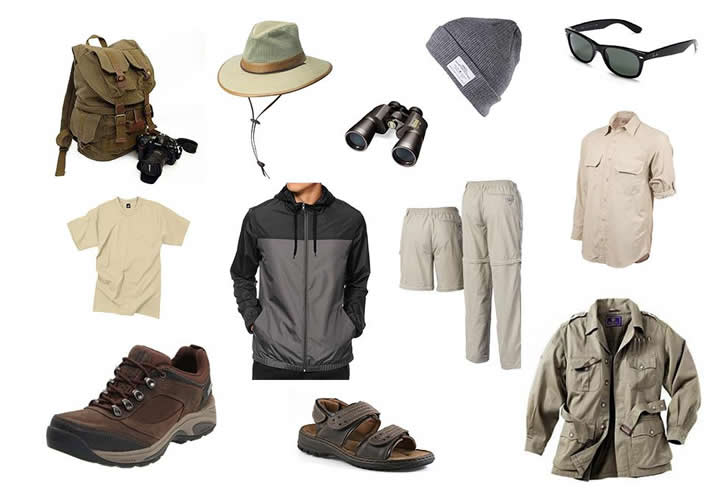
To ensure a comfortable monkey trek, pack and bring the following:
- Clothing: Long-sleeved shirts, long trousers, good hiking boots, rain jacket/raincoat, hat, gloves, and quick-drying layers.
- Gear: Binoculars (7x or 8x), camera with a telephoto lens (200mm+) to take photographs or pictures, reusable drinking water bottle, waterproof backpack, and walking stick for support during the trek.
- Essentials: Sunscreen, insect repellent (DEET or picaridin), packed lunch, first-aid kit, snacks (energy bars, nuts), and travel documents.
- Optional: Water purification tablets, guidebook, and Rwandan Francs for tips.
These can also work for extended Rwanda trips like tracking chimpanzees, canopy walks, etc., in Rwanda or to neighboring nations like Uganda, Burundi, Kenya, Tanzania, and the Democratic Republic of Congo!
Frequently Asked Questions About Monkey Trekking in Nyungwe National Park
Do Monkeys Live in Forests?
Yes, many monkey species live in forests, where they find food, shelter, and protection, and have adapted to life in the trees with specialized traits.
What Is the Best Time for Monkey Trekking?
The dry season (June to August) is ideal and good, with October and November also offering good conditions.
How Long Does a Monkey Trek Last?
Monkey Treks typically last 2–3 hours, depending on the monkeys’ location.
What Is the Cost of Monkey Tracking?
Monkey trekking fees range from $5–$60 per person, plus park entrance fees ($10–$100), and it takes about 2-3 hours to accomplish and see the monkey species, great birdlife like sunbirds, and other primate species.
Can I Combine Monkey Tracking with Other Activities?
Yes, activities like chimp trekking, canopy walks, and bird watching can be combined with monkey trekking tours, and you can choose whether to go for a budget or luxury trip.
What Should I Wear When Tracking Monkeys?
Wear earth-toned, quick-drying clothing, good hiking boots, and a good rain jacket when heading for colobus monkey trekking and other tracking excursions in Nyungwe.
How Do I Book A Permit for Tracking Monkeys in Nyungwe?
Contact the Rwanda Development Board or a reputable tour operator like Prime Safaris And Tours Ltd, Wild Gorilla Safaris, Gorilla Safari Rwanda, Rwanda Gorilla Tracking Safaris, Gorilla Tracking Rwanda, Africa Safaris Tours, etc.
Conclusion
Monkey tracking in Nyungwe Forest National Park, Rwanda, is an exhilarating adventure that immerses you in one of Africa’s most biodiverse rainforests.
From the playful antics of black and white colobus monkeys to the stunning views along the canopy walkway, Nyungwe offers a wealth of experiences for nature lovers.
By following park guidelines, packing appropriately, and planning your visit during the dry season, you’ll create unforgettable memories in this Rwandan paradise.
Start planning your trip today with a reputable tour operator and embark on a journey to discover Nyungwe’s incredible primates and natural wonders.
For more information, call or email us now and let us customize the best safari package for you to enjoy monkey tracking safaris in Nyungwe Forest National Park!
Want to visit Nyungwe Forest?
Want to visit Nyungwe Forest National Park, Rwanda's only chimpanzee trekking park for primate safari experiences?
