Home » SUPPORTING LOCAL COMMUNITIES AROUND NYUNGWE NATIONAL PARK
SUPPORTING LOCAL COMMUNITIES AROUND NYUNGWE NATIONAL PARK
Do you ever wonder how supporting local communities around Nyungwe National Park unlocks the true potential of conservation efforts? In this article we give you a detailed overview of how this gesture is beneficial to Nyungwe Forest National Park!
In Rwanda’s southwest, Nyungwe National Park is a massive montane rainforest that keeps both wildlife and people going.
This forest is ancient — one of Africa’s oldest — covering over 1,000 square kilometers. It’s home to 13 primate species, including chimps, 300+ birds, and it feeds water into the Nile and Congo rivers.
But Nyungwe’s real strength is its relationship with the communities around it. People here once struggled with poverty and clashes over resources. Now, through sustainable projects, they’re doing better.
Since 2020, partnerships between the Rwanda Development Board and African Parks have put tourism money back into local projects.
That’s created over 3,000 jobs and new eco-friendly ways to earn a living. Think beekeeping cooperatives, cultural villages, and guiding work.
These cut down on poaching and illegal tree cutting while raising incomes.
Tourists help directly by choosing community-based tourism — paying for experiences that fund schools, clinics, and roads.
It’s conservation and human progress working together. With more visitors coming in 2025, Nyungwe shows how nature and people can both thrive. And travelers get to be part of that story.
About Nyungwe National Park | Where Are the Communities Located and Thriving?
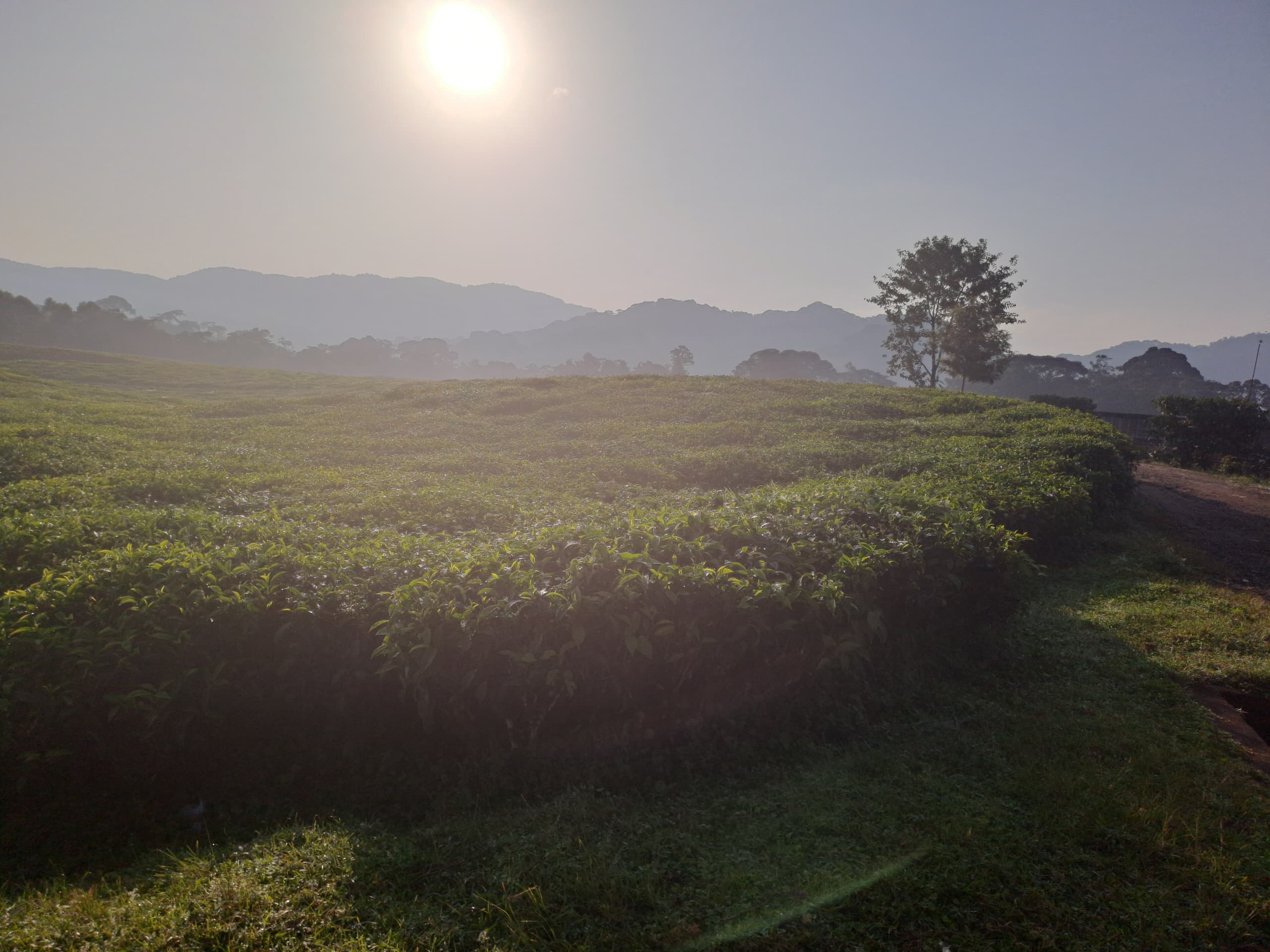
Nyungwe is Rwanda’s largest montane forest — 1,019 square kilometers of Afromontane rainforest, bamboo, grassland, and wetlands in the Albertine Rift.
It’s in southwestern Rwanda, near Burundi and DR Congo, right by Lake Kivu. The park provides 70% of the country’s freshwater.
Five districts surround it: Rusizi, Nyamasheke, Karongi, Nyamagabe, and Nyaruguru. Communities live near key park gates like Gisakura, Uwinka, and Kitabi.
The area is rolling hills, tea plantations, and villages where people grow bananas, beans, maize, and keep goats or chickens.
Instead of pushing into the forest, these communities now partner with it. Better roads and eco-infrastructure mean these entry points are busy with sustainable tourism.
Farmers and artisans meet visitors, share traditions, and help protect the forest they depend on.
Nyungwe National Park Local Communities | Who Lives Near Nyungwe?
Life around Nyungwe reflects Rwanda’s culture. People here farm, craft, and now work in conservation.
These include.
Banyarwanda Ethnic Tribe/People
Most people are Banyarwanda — farmers and herders who’ve worked these fertile slopes for generations.
They grow bananas, beans, and maize, often next to tea plantations. Today, many are guides or run cooperatives.
They mix old farming knowledge with new sustainable practices to protect the land.
The Batwa/Forest People
The Batwa are indigenous forest people. They used to live inside Nyungwe, experts in traditional medicine, hunting, and foraging.
When the park was created, they were displaced. Now they’re reviving their heritage through cultural performances and storytelling in villages.
With support from revenue sharing, Batwa groups do eco-tourism — dance, crafts, and forest walks — earning income while honoring their connection to the forest.
Key Initiatives for Community Support
The focus is on sustainable jobs, education, and eco-tourism.
It’s turned old tensions into cooperation. Backed by RDB and African Parks, over 1,600 people are in cooperatives that support 6,800 households.
That’s cutting threats like illegal harvesting. Main programs include:
Tourism Revenue Sharing (TRS)
Started in 2005, doubled to 10% in 2017. Park fees fund local projects.
Over RWF 2.6 billion has gone to 480+ projects — schools, hospitals, roads, water systems.
In Nyamasheke, millions built classrooms, giving kids better education and easing poverty.
TRS gives communities a reason to support conservation because the benefits are real.
Beekeeping Cooperatives
Modern apiaries in the buffer zone replace old fire-risk methods.
13 beekeeping cooperatives under UBWIZA BWA Nyungwe make honey and beeswax candles.
Wildlife Conservation Society (WCS) and RDB train members.
Ex-poachers now get pigs or goats to rear.
These groups reduce forest fires and poaching, and sell products to tourists.
Community-Based Tourism (CBT)
CBT creates real jobs through cultural villages and freelance guiding. Local porters and interpreters actually run the experiences.
Eco-lodges like Nyungwe EcoVillage keep things affordable for travelers.
Visitors get to join in dances and village walks that celebrate Rwandan heritage — and the money goes straight to the people hosting.
Education and Awareness Programs
Workshops reach about 20,000 people every year. Through wildlife clubs, 1,500 kids get to visit the park.
Scholarships help students go to IPRC Kitabi for technical training in tourism and farming.
Community Liaison Officers make sure the park and locals actually talk to each other. That builds trust and cuts down on conflict.
Reforestation and Buffer Zone Projects
Joint teams have planted over 40,000 seedlings across 30 hectares. That gives communities alternatives to cutting timber in the park.
Buffer zones promote sustainable use of resources. Locals help watch the park boundaries using ranger-based systems.
It helps stop soil erosion and illegal mining. Eco-rangers from the surrounding communities also help enforce the rules.
Examples of Cooperatives, Activities, Organizations, Partners, Donors, and Lodges Involved
Tourist Activities
These activities send money directly to communities while giving visitors genuine experiences:
Chimpanzee Trekking: Track habituated groups with local guides. Your fees help pay for patrols that protect the forest.
Village Walks: Walk through villages, see how people farm, and get a sense of daily life. It supports families who offer homestays.
Banana Beer Brewing: Join a brewing session, taste something traditional, and support women’s groups.
Craft and Souvenir Sales: Buy handmade baskets and jewelry. It keeps artisan cooperatives going.
Homestays: Spend the night with a family. You’ll experience Rwandan hospitality, and your stay helps that household.
Cultural Performances: Traditional dances that share history. The money goes to the performers.
Cooperatives, Villages, and Centres
These local hubs turn skills into income:
Kitabi Eco Centre: Farm tours, traditional huts, bonfire dance. Employs youth in eco-restoration.
Kitabi Women Handcrafts Cooperative: 55 women make jewelry, mats, carvings. Sales pay for education and health.
Cyamudongo Tourism Cooperative: Runs coffee shops and kiosks near chimp areas. Sells crafts and hosts performances.
Banda Cultural Village: Traditional medicine demos, fire rituals, overnight stays near forest trails.
Karundi Cooperative: Handicraft center near Gisakura — baskets and textiles for tourists.
Other Community-Based Organizations (CBOs): Friends of Nyungwe — ex-poachers turned guides — and Ubuzima Honey, which also does mushroom farming and pig rearing.
Partner Organizations and Projects
Partnerships make this work last:
Rwanda Development Board (RDB): Runs revenue sharing and tourism, has funded 152 conservation projects.
African Parks: Managing Nyungwe since 2020, supports 14 cooperatives and freelance guides for ecosystem health.
EarthRanger: Provides monitoring tech that helps community patrols.
Rwanda’s Government: Puts parks into national development plans, pushes inclusive growth.
Wildlife Conservation Society: Trains locals in beekeeping and awareness, strengthens cooperatives.
Donors and Funding Partners
Funding keeps it going:
Private Foundations: Wyss, Rob and Melani Walton, and Hempel Foundation have given millions for education and operations in Nyungwe NP.
Governments: Rwandan and international aid flows through RDB for infrastructure.
Corporate Partners: Natura Africae gave €4.1 million in 2023, plus others supporting livelihoods and biodiversity.
Lodges and Tour Operator Businesses
These places hire locally and buy locally:
Nyungwe Eco Village: Eco-lodge with restoration projects. Shows tourists climate-smart farming.
Other Eco-Lodges Close to Nyungwe National Park:
Munazi Eco Lodge opened in 2025.
One&Only Nyungwe House hires locals and funds scholarships.
Community-Based Tourism Operators: BIOCOOP Rwanda and freelance groups run ethical tours so revenue stays in the communities.
Challenges Facing Local Communities
Progress is real, but problems remain. Poverty and land shortages are still here. Climate change brings unpredictable rains that wash out crops.
Human-wildlife conflict happens — primates raid farms. The Batwa still deal with the effects of displacement.
Revenue sharing helps, but sometimes it’s not enough or not well-targeted.
Illegal activity continues on the edges.
Tourism drops in the low season, which hits income.
Still, training and more cooperatives show people are adapting.
Role of Tourists | How Can You Contribute as a Tourist?
Hire local guides and porters — Choose community-trained freelancers. You get better insight, and they get steady pay.
Purchase local crafts and products — Buy honey, baskets, or tea from cooperatives like Kitabi Women’s. It directly helps families.
Engage in cultural tourism — Do a dance or brewing session.
Your fees keep traditions and village economies alive.
Pay park entry fees — Your $100 daily fee in 2025 funds TRS, which builds schools and clinics.
Role of Government | How Does the Government Support Local Communities?
The Rwandan government, through RDB, runs TRS — 10% of revenue goes to projects like roads and health centers.
It funds the buffer zone, trains rangers from local communities, and includes people in park planning.
Policies support eco-agriculture to take pressure off the forest.
Events like Kwita Izina near Volcanoes NP raise awareness and money.
Role of Partnerships and Donors | How Do They Support Local Communities?
African Parks and WCS provide training and monitoring tools. They’ve helped start 35 cooperatives for income projects.
Donors like the Hempel Foundation have given millions since 2022 for education and apiaries.
RDB partnerships make sure money is shared fairly. This creates jobs, reduces conflict, and helps ex-poachers switch to pig farming.
Success Stories: Benefiting Lives and Wildlife
Ex-poachers now work as rangers or guides.
Women in cooperatives pay for healthcare and school fees.
Revenue built hospitals and brought electricity.
Illegal activities fell sharply in three years.
Batwa communities share traditions with tourists, rebuilding cultural pride.
Farmers use climate-smart methods to stop soil erosion.
Over 3,000 jobs created.
Poverty is dropping
Future Outlook
There’s momentum. Studies on elephant reintroduction could boost biodiversity by 2026 and bring more tourism to Nyungwe.
Plans for more ziplines and lodges could double visitors, with 92% self-financing targeted by 2030.
Focusing on renewables and youth businesses will help deal with climate threats. The goal: communities and ecosystems growing stronger together.
More About Nyungwe National Park Community-Based Tours
Community tours get you into real life here — tea picking, storytelling, and local food. 21 freelance guides make it authentic and make sure communities benefit. Book through RDB for ethical trips that respect culture.
Here’s more to know before you go:
Other Things to Do in Nyungwe National Park
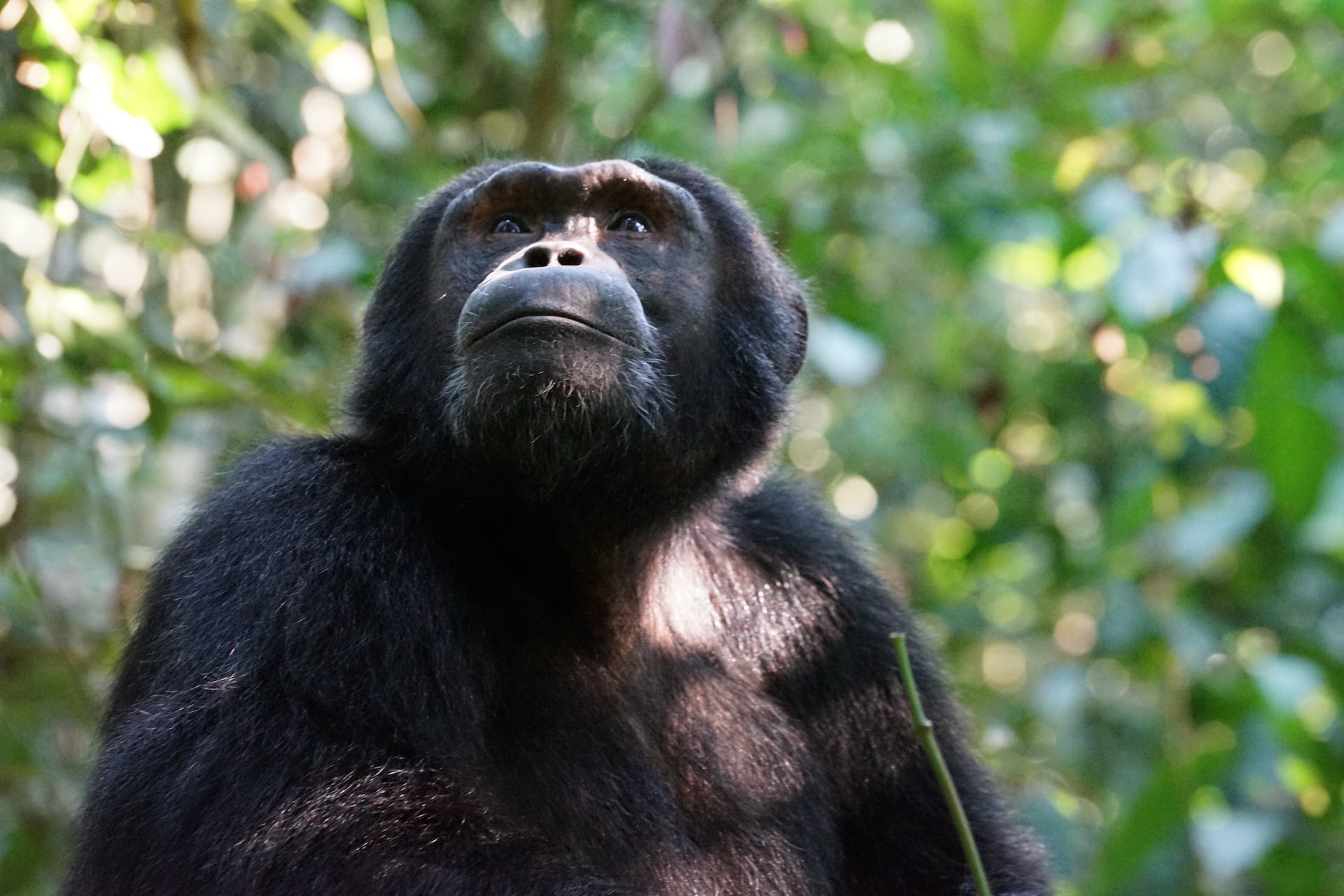
Chimpanzee Trekking: Follow habituated troops — $150 permit. 500+ chimps on misty trails.
The Nyungwe Canopy Walk: 60m high, 200m long bridge. See mammals and orchids from the canopy — $60.
Bird Watching: 300+ species, 27 endemics.
Dawn walks — $50.
Gisakura Tea Plantation Tours: Walk the fields, learn tea plucking and brewing — $40.
Guided Waterfall Walks: Hike to Kamiranzovu Falls, learn about medicinal plants — $40.
Best Time to Visit Nyungwe National Park
Dry seasons — June to September, December to February — are best for tours. Trails are dry, visibility is good, temps 15–25°C.
Wet months — March to May, October to November — are great for birding and orchids, but paths get slippery. Chimp treks are tougher then.
How To Get To Nyungwe National Park For Community-Based Safaris
From Kigali, it’s a 5–6 hour drive. Rent a 4×4 — $150/day — or take a bus from Nyabugogo — $3, 4 hours to Butare, then a moto taxi to Gisakura. Or fly RwandAir to Kamembe Airstrip — 45 mins, $100 — then 1-hour moto taxi — $50 — to park headquarters.
Tour operators bundle transfers for seamless access.
Nyungwe National Park Prices | How Much Does It Cost for Nyungwe Safari Tours?
Park Entry: $100 per day for foreign non-residents (2025 rates), $60 for EAC residents.
Chimp Trekking: $150
Nyungwe Canopy Walk: $60
Birding: $50
3-Day Packages: From a $600 budget to $1,500 luxury. Includes meals and transport.
Gratuities: $10–20 per activity is typical.
What to Bring for Nyungwe National Park Tours?
Waterproof boots
Long-sleeved shirts and long pants
Quick-dry clothes
Rain jacket
Insect repellent
Binoculars
Sunscreen
2L water bottle
Note:
Go for neutral colors — they’re better for wildlife spotting.
Bring some cash for crafts.
Pack light for walks.
No-plastic rules are strictly enforced, so respect that.
Nyungwe National Park Hotels and Lodges to Stay at During Rwanda Safaris
Luxury: One&Only Nyungwe House — $800/night for tree-top villas with spa.
Mid-Range: Nyungwe Top View Hill Hotel — $150/night with panoramic views. Emeraude Kivu Resort — $200/night with lakefront views.
Budget: Gisakura Guest House — $35/night, basic with breakfast. Uwinka Campsite — $20. Munazi Eco Lodge — $300/night.
Other Rwanda Safari Parks to Visit for Community-Based Tourism Experiences
Akagera National Park: Savannah safaris and boat cruises. Revenue shares from 45% Rwandan visitors help fund cooperatives.
Volcanoes National Park: Gorilla treks plus Iby’Iwacu village tours. Mixes conservation with cultural dance.
Gishwati-Mukura: New chimp habitat with Batwa-guided walks. Big focus on indigenous involvement.
Ongoing support helps with stewardship, innovation, and better environmental management in these protected areas.
Rwanda Travel Agencies Offering Nyungwe Community Tours
These include
Rwanda Gorilla Tracking Safaris
Answers to Common Questions Related to Supporting Local Communities Around Nyungwe NP
1. How Can I Support The Local Community Around Nyungwe?
You can help by buying crafts made by local artisans, hiring guides from the community, going on village tours, or contributing to VSLAs. That puts money straight into the hands of farmers and craftspeople and helps their small businesses grow.
2. What Kind Of Support Is Available For the Nyungwe Park Community?
VSLAs give people access to microloans so they can build credit and start businesses. There’s also agricultural training that helps improve things like honey production. Tourism creates steady jobs too. All of this gives families alternatives to cutting trees or poaching, and it builds more sustainable livelihoods around Nyungwe Forest NP.
3. How Is The Community Involved in Conservation?
Locals are right in the middle of it. They work as guides, run community projects, help monitor wildlife, and have a say in park policies. That means they get jobs, feel ownership over the forest, and benefit from protecting it.
Supporting communities around Nyungwe means backing tea cooperatives, beekeeping groups, Batwa craft makers, and eco-tourism that shares revenue. It keeps conservation and local life working together, and gives travelers a real cultural exchange on the edge of Rwanda’s rainforest.
Want your trip to make a difference? Join a safari that gives back. Reach out now and we’ll help you plan a Nyungwe adventure that supports local livelihoods through sustainable travel.
Want to visit Nyungwe Forest?
Want to visit Nyungwe Forest National Park, Rwanda's only chimpanzee trekking park for primate safari experiences?
