Home » RWANDA NATIONAL PARKS, WILDLIFE SAFARI PARKS IN RWANDA
RWANDA NATIONAL PARKS, WILDLIFE SAFARI PARKS IN RWANDA
If you’re planning to partake in an African wilderness safari in the Land of the Thousand Hills, knowing all the national parks in Rwanda (Rwanda National Parks) is key to a memorable experience!
Rwanda, known as the Land of a Thousand Hills, beckons travelers with its stunning landscapes and rich biodiversity in East Africa.
Nestled in East Africa, this compact country borders Uganda, Tanzania, Burundi, and the Democratic Republic of Congo.
Its four national parks—Volcanoes, Akagera, Nyungwe Forest, and Gishwati-Mukura—offer unique game viewing in diverse ecosystems from misty volcanoes to sprawling savannahs.
Managed by the Rwanda Development Board (RDB), these Rwanda national parks highlight conservation successes, like the growing population of endangered mountain gorillas.
Whether you’re seeking gorilla encounters or savannah game drives, Rwanda’s national parks promise unforgettable wildlife safaris in Central Africa.
Below are the detailed overviews of the different national parks in Rwanda!
1) Volcanoes National Park
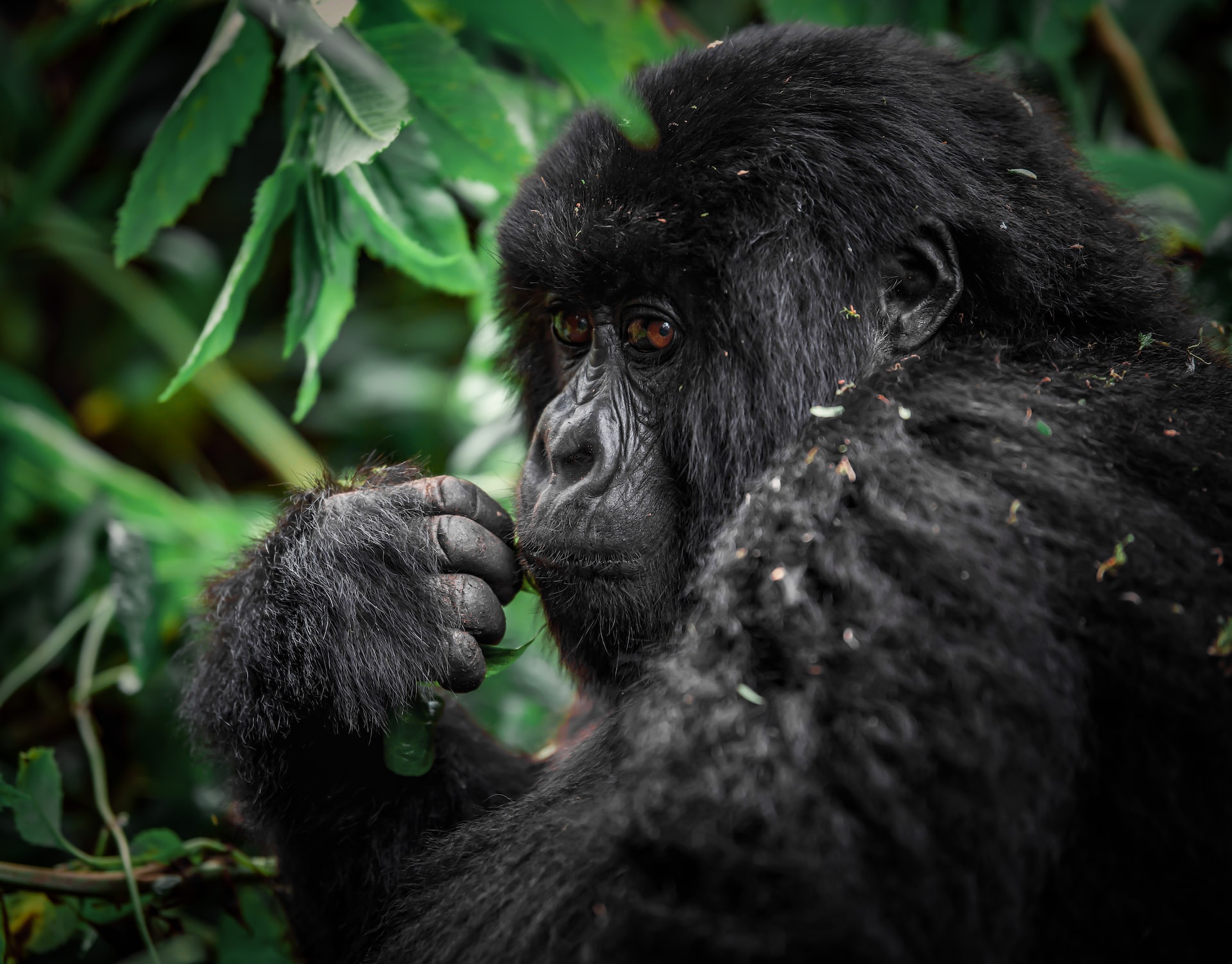
Tucked in northwestern Rwanda within the Virunga Mountains, Volcanoes National Park (Parc National De Volcans) spans 160 square kilometers and shares borders with Uganda’s Mgahinga and the Democratic Republic of Congo’s Virunga parks.
First established in 1925 as Africa’s oldest park to safeguard mountain gorillas, Volcanoes National Park encompasses five volcanoes: Karisimbi, Bisoke, Sabyinyo, Muhabura, and Gahinga.
Key draws include over half of the world’s endangered mountain gorillas (IUCN-listed), golden monkeys, and 200 bird types like the Rwenzori turaco.
Visitors can track habituated gorilla families, hike volcanic peaks like Bisoke with its crater lake, track golden simians, or visit Dian Fossey’s tomb at Karisoke Research Center and the Musanze Caves during Rwanda safaris there.
The dry seasons (June-September, December-February) are ideal for exploring Rwanda Volcanoes National Park, as they offer clearer trails and better visibility amid the montane forests.
2) Akagera National Park
On Rwanda’s eastern border with Tanzania, close to Lake Victoria, Akagera National Park covers 1,122 square kilometers of savannah ecosystem, making it the country’s largest and only Big Five destination.
Founded in 1934, it’s named after the Akagera River, which feeds lakes like Ihema and Shakani, blending plains, woodlands, and wetlands.
Highlights of Akagera National Park feature lions (reintroduced in 2015), rhinos (2017), elephants, leopards, buffaloes, zebras, giraffes, hippos, crocodiles, spotted hyenas, and over 500 bird types, including the shoebill stork.
Activities range from bird watching (a popular activity in Akagera NP with 550+ Avians recorded) and game drives spotting herds on savannah plains to boat cruises on Lake Ihema for water birds and hippos, guided nature walks, and fishing.
Under the Akagera Management Company with African Parks, Akagera National Park thrives on anti-poaching efforts. Visit during dry months (June-September) for easier game viewing on drier roads.
3) Nyungwe Forest National Park
In southwestern Rwanda near the Burundian border and Lake Kivu, Nyungwe Forest National Park protects 270 square kilometers of ancient montane rainforest—the largest and oldest in Africa, dating to the Ice Age.
Gazetted in 2005, Nyungwe Forest National Park’s biodiversity boasts over 200 tree types, 13 primates like chimpanzees and golden monkeys, 310 avian types, including Albertine endemics like the great blue turaco, and mammals such as serval felines.
More attractions in the different corners of Nyungwe Forest National Park include lush jungles, waterfalls, and methane-rich L. Kivu views.
Tourists can track chimpanzees (the primary game viewing activity in Nyungwe NP), walk the canopy bridge for aerial primate views, birdwatch, or hike trails spotting L’Hoest’s and orchids.
The best time to visit Nyungwe Forest National Park is the dry season (June-September, December-February), when trails are less slippery in this misty wilderness.
4) Gishwati Mukura National Park
Western Rwanda’s Gishwati-Mukura National Park, the newest (created in 2015), merges Gishwati and Mukura forests into a vital wildlife corridor near Lake Kivu.
The government, in partnership with Wilderness Safaris, restored degraded areas that had been affected by encroachments after 1994 to protect chimpanzees, golden simians, blue monkeys, L’Hoest’s monkeys, and 130 bird types among unique trees.
Once ravaged, it’s rebounding with community involvement from former poachers and government efforts.
Main draws for tourists include chimp trekking, birding, and forest walks revealing simians and Albertine Rift endemics.
Activities focus on ecotourism, like guided hikes, benefiting local communities. Dry periods (June-September) suit explorations in this emerging gem of Rwanda’s parks.
Top Attractions to See in the Rwanda National Parks
Rwanda’s national parks burst with wonders, from apes to landscapes, drawing tourists to their diverse corners.
- Mountain Gorillas: These gentle giants, endangered per the IUCN, thrive in Volcanoes National Park’s bamboo forests. Weighing up to 180kg, silverbacks lead families in the Virungas.
Conservation since 1925 has boosted numbers despite past poaching—now close to half the world’s 1,000 reside in Parc National De Volcans, offering intimate trekking encounters in Rwanda’s flagship park.
It is worth noting that the biggest population of these mountain gorillas in the world is found in Bwindi Impenetrable National Park in Uganda!
- Chimpanzees:
 Rwanda’s closest relatives swing through the Nyungwe and Gishwati jungles. Habituated groups allow tracking in montane rainforests, where 500 chimps share space with other primates.
 Rwanda’s closest relatives swing through the Nyungwe and Gishwati jungles. Habituated groups allow tracking in montane rainforests, where 500 chimps share space with other primates.
Protected post-1994, efforts include anti-poaching; Nyungwe’s population highlights successful partnerships for these endangered apes in Africa’s oldest jungles.
- Golden Monkeys and Other Primates: Endemic to Virunga, golden monkeys dazzle in Volcanoes National Park and Gishwati with vibrant fur.
Nyungwe hosts 13 species comparable to those in Kibale NP of Uganda, like blue monkeys, vervet monkeys, Hamlyn’s monkeys, L’Hoest’s monkeys, olive baboons, and colobus monkeys, in troops of 400.
Over 20% of Africa’s primates call these parks home—trek them amid bamboo and rainforests for lively displays in Rwanda’s primate-rich havens.
- Bird Species: Over 1,000 birds flourish across parks. Akagera’s 500 include fish eagles and shoebills on wetlands; Nyungwe’s 310 feature turacos and sunbirds in jungles; Volcanoes National Park has 200 montane avian types; and Gishwati-Mukura adds 130 endemics.
Albertine Rift hotspots make Rwanda a birder’s paradise in the savannahs, wetlands, and woods.
- Other Wildlife Species: Beyond simians, Akagera’s Big Five—lions (seven reintroduced), elephants, rhinos, leopards, and buffaloes—roam with zebras, giraffes, hippos, crocodiles, and hyenas. Jungles hide serval cats, golden cats, bushbucks, and duikers.
After the genocide, restocking and anti-poaching brought populations back to life, showing that Rwanda is committed to having a wide range of mammals in all of its parks.
- Virunga Volcanoes and Other Notable Landscapes: The Virunga Massif Mountains dominate the Volcanoes National Park with five peaks, like Karisimbi (4,507 m), offering hikes amid rainforests.
Akagera’s savannah plains, papyrus swamps, and 12 waterscapes (Ihema is the largest) border Tanzania.
Nyungwe’s misty montane jungles, waterfalls, and canopy views overlook Lake Kivu’s methane waters.
Gishwati-Mukura’s restored ridges connect to Nyungwe. These blend mountains, wetlands, and hills in Rwanda, feeding the Nile and Congo basins for epic photo safaris.
Unmissable Safari Activities to Do in Rwanda Safari Parks
Dive into adventures across Rwanda’s parks, blending thrills with conservation.
- Mountain Gorilla Trekking: In Volcanoes National Park, join habituated families for an hour up close. Guided hikes (2-5 hours) through jungles cost just $1,500 for permits and are limited to eight visitors daily. See silverbacks and infants in Virungas—life-changing amid endangered gorillas protected since Dian Fossey’s era.
- Chimpanzee Trekking: Nyungwe and Gishwati-Mukura offer dawn tracks to pant-hooting troops. Follow rangers through rainforests for hour-long views; permits are $100. Spot 500 chimps with other simians—efforts to increase these chimpanzee populations turned former fauna poachers into guides, boosting populations in Africa’s biodiverse forests.
- Golden Monkey Trekking: Exclusive to Volcanoes National Park and Gishwati, track playful troops in bamboo. Easier than gorilla treks (1-3 hours); permits are $100. Watch them foraging in the Virungas; these endangered beauties highlight Rwanda’s primate focus alongside mountain gorillas.
- Monkey Trekking: Nyungwe’s trails reveal colobus, blue, L’Hoest’s, and silver monkeys in groups. Guided walks spot 13 types; combine with nature hikes for acrobatic displays in montane forests teeming with simians.
- Birding: Akagera’s wetlands host 500 species often seen during bird watching or on drives; Nyungwe’s 310 endemics can be seen via 130km trails. Guides enhance safaris across parks in the Albertine area, allowing you to spot turacos and eagles while experiencing Rwanda’s avian diversity year-round.
- Game Drives and Wildlife Viewing: Akagera National Park’s savannahs reveal the Big Five on dawn/dusk drives. Spot the elephant and lions in the plains; use 4×4 vehicles to navigate lakes and woods for hyenas and antelopes in Rwanda’s only savannah park.
- Boat Cruises: Glide on Lake Ihema in Akagera National Park for hippos, crocs, and water birds. Afternoon trips spot animals drinking at watering holes; it complements game drives in the wetland-rich east of Rwanda.
- Virunga Volcano Hiking: Climb Bisoke or Karisimbi in Parc National De Volcans for craters and views (1-2 days). Strenuous treks are rewarded with gorillas below; permits are needed in the misty mountains.
- Nyungwe Forest Canopy Walks: Suspended 70m high, this 160m bridge sways above Nyungwe treetops. Spotting simians and birds from above, the 2-hour adventure overlooks jungles and Lake Kivu in the biodiverse southwest.
- Other activities done in the Rwanda parks: Dian Fossey tomb hikes and Karisoke visits in Parc National De Volcans for history; cultural tours at Gorilla Guardians Village with former poachers’ dances; fishing on Lake Shakani in Akagera; community walks around parks engaging locals; twin lakes (Ruhondo, Burera) picnics near Parc National De Volcans; waterfall trails in Nyungwe National Park; butterfly and orchid spotting in jungles; night walks for nocturnal species like golden felines; photography safaris; biking the Congo-Nile Trail through Nyungwe National Park; and hot springs near Lake Kivu from Gishwati.
Rwanda Safari Lodges and Hotels to Stay at When Visiting Safari Parks
| PARK | Luxury | Mid-range | Budget |
| Parc National De Volcans | Bisate Lodge, Singita Kwitonda | Mountain Gorilla View Lodge | Muhabura Hotel |
| Akagera NP | Magashi Camp | Akagera Game Lodge | Ruzizi Tented Lodge |
| Nyungwe NP | One&Only Nyungwe House | Nyungwe Top View Hill Hotel | Gisakura Guesthouse |
| Gishwati NP | Wilderness Gishwati Lodge | Local eco-camps | Community homestays |
Best Time to Visit the Rwanda National Parks
Dry seasons (June-September, December-February) offer prime conditions: less rain means drier trails for trekking gorillas in Parc National De Volcans or chimps in Nyungwe, and concentrated wild fauna at waterholes in Akagera’s savannah. Temperatures hover around 20-25°C; visibility peaks in the country.
Wet seasons (March-May, October-November) bring lush greenery, fewer crowds, discounts, but slippery paths—ideal for birding with migrant species. Year-round access, though high-altitude locations like Parc National De Volcans stay cooler.
Safari Prices to Incur When Visiting the Rwanda Safari Parks
| Description | Cost (USD/RWF) |
| Gorilla Trekking Permit | $1,500 / 2,000,000 RWF |
| Chimp Trekking Permit (Nyungwe) | $100 / 130,000 RWF |
| Golden Monkey Permit | $100 / 130,000 RWF |
| Park Entry (Akagera, per day) | $100 / 130,000 RWF |
| Game Drive (Akagera) | $50-100 / 65,000-130,000 RWF |
| Canopy Walk (Nyungwe) | $60 / 78,000 RWF |
| Boat Cruise (Akagera) | $40 / 52,000 RWF |
| Volcano Hike Permit | $75 / 97,500 RWF |
(Note: Prices vary; guides/extra fees add $20-50/day.)
Rules and Regulations to Follow When Visiting Rwanda Safari Parks
- Obtain permits in advance via RDB; age 15+ for gorilla/chimp treks.
- Maintain 7 m distance from animals; no flash photography.
- Follow guides; no off-trail wandering to protect habitats.
- Limit groups to 8; 1 hour with gorillas/chimps.
- No eating/drinking near wild fauna; pack out trash.
- Wear neutral colors and long sleeves/pants; use insect repellent.
- No sick visitors (to prevent disease spread).
- Anti-poaching: no touching plants/animals.
- Silence during treks; no drones without permission.
- Support conservation through paying relevant fees that fund communities and patrols.
How to Get to Rwanda to Explore the National Parks?
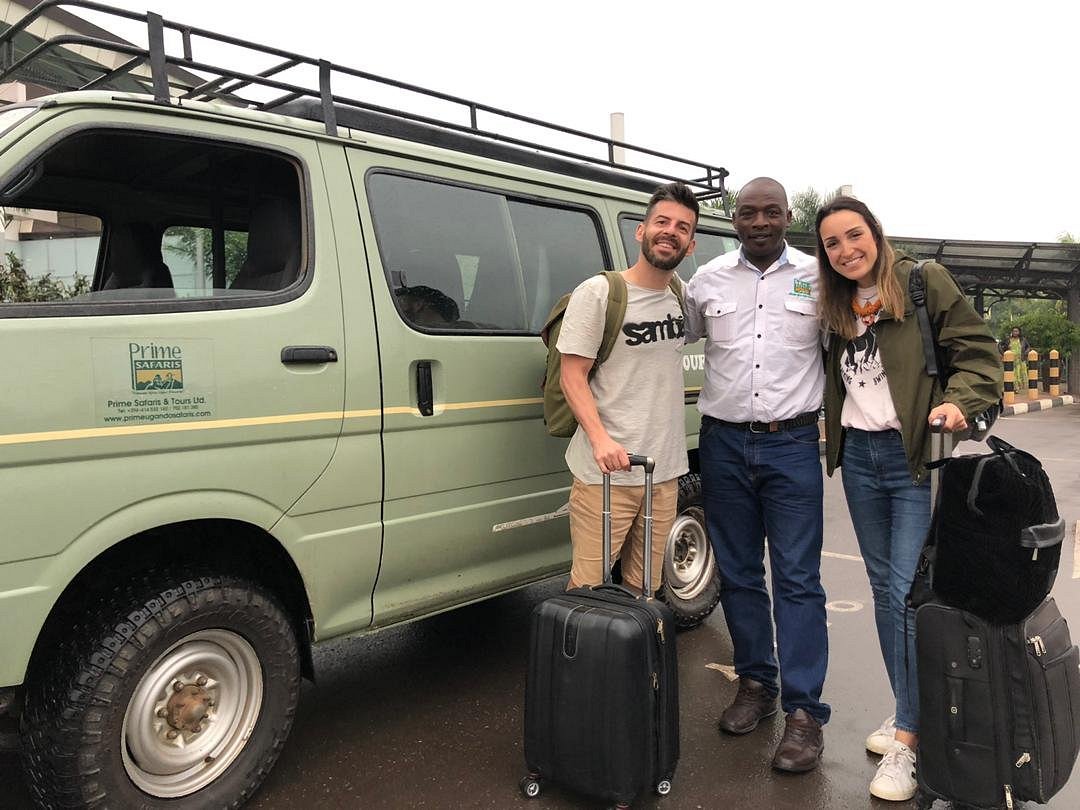
Fly into Kigali International Airport (KGL), a hub for international flights from Europe and Africa (Ethiopia and Kenya hubs), among other destinations in the world.
From Kigali, drive 2-3 hours northwest to Parc National De Volcans (Musanze base); 5-6 hours east to Akagera National Park; 6 hours southwest to Nyungwe NP; 4 hours west to Gishwati.
Rwanda Development Board-arranged transfers or 4×4 rentals by tour operators ($100/day) help navigate hills.
NB: Domestic flights to Kamembe for Nyungwe NP cut time. Visas on arrival go for $50; combine parks in 7- to 10-day itineraries for efficient safaris in this accessible Central African gem.
Threats Facing Safari Parks in Rwanda | What Are the Problems Facing National Parks in Rwanda?
- Habitat loss from post-genocide encroachments and farming pressures.
- Limited funding and staffing for monitoring vast areas under RDB.
- Poaching remnants, though reduced via the former hunters/poachers’ involvement.
- Climate change is impacting montane jungles and water bodies.
- Human-wildlife conflict near fences with growing populations.
- Methane gas risks in Lake Kivu are affecting nearby Nyungwe.
- Tourism overload is straining resources in the popular Parc National De Volcans.
Fauna and Conservation in Rwanda Safari Parks
Since the 1994 genocide, Rwanda has prioritized wildlife restoration, partnering internationally (AP, Wilderness Safaris).
Mountain gorilla numbers grew from declines via anti-poaching and tourism revenue sharing with local communities.
Chimp protection in Nyungwe/Gishwati involves habitat corridors; Akagera’s Big Five reintroductions (seven lions and rhinos) succeeded under Akagera Management.
Efforts to engage former hunters/poachers as guides reduce illegal hunts in the country.
IUCN-endangered species like gorillas benefit from RDB oversight—tourism funds 10% of community projects, fostering East Africa’s model conservation in four parks.
Other Places to Visit in Rwanda, in Combination with the Safari Parks
- Lake Kivu: Western Rwanda’s serene giant offers beaches, boating, and fishing amid methane waters; relax post-treks with aquatic sports and views near Nyungwe/Gishwati.
- Gorilla Guardians Village: Near Parc National De Volcans, ex-poachers share culture via traditional dances and crafts; immersive insight into conservation turns hunters into protectors.
- Kigali City: The Vibrant capital blends modernity with markets and art and is a clean, safe hub for genocide reflections before park safaris.
- Genocide Memorial Centers: Found in Kigali and in other sites nationwide, they honor 1994 victims; with educational stops, they promote unity alongside nature tours.
- Musanze Caves: Volcanic tunnels near Parc National De Volcans reveal history and lava formations; easy add-on hikes explore underground wonders.
- Dian Fossey Tomb Site and Karisoke Research Center: In Parc National De Volcans, hike to graves learning gorilla legacy and poignant conservation history.
Commonly Asked Questions about Rwanda Safari Parks
- How Many National Parks Are in Rwanda?
Four: Volcanoes National Park (gorillas), Akagera National Park (savannah Big Five), Nyungwe National Park (jungles), and Gishwati (newest); all RDB-managed wildlife reserves.
- What Is the Most Visited National Park in Rwanda?
Volcanoes National Park is the most visited among the parks of Rwanda, East Africa, attracting global tourists for its endangered mountain gorillas and golden monkeys in Virunga.
- What Is the Largest Park in Rwanda? | What Is the Largest National Park in Rwanda?
Akagera, at 1,122 sq km, is Rwanda’s sole savannah park with the Big Five on the eastern border of the country in East Africa. Tourists can see the Big Five animals here.
- What Is the New National Park in Rwanda?
Gishwati NP (2015), merging jungles for chimps and birds, is an eco-restoration gem in the western part of the country, protected by the government.
Conclusion
From Virunga gorillas to Akagera’s Big Five, Nyungwe’s ancient woodlands to Gishwati-Mukura’s rebirth, Rwanda’s parks blend adventure, wild fauna, and hope. Plan your safari today—trek, track, and transform lives through conservation in Africa’s beating green heart while creating lasting memories!
